Ways to Improve Privacy Around a Patio Screen Enclosure
A screened patio lets you enjoy fresh air while staying protected from insects and outdoor debris. However, the standard mesh used for a patio screen enclosure may not provide much privacy from nearby homes, sidewalks, or neighboring properties.
Fortunately, you do not need to completely rebuild your enclosure to create a more private outdoor area. Strategic landscaping, outdoor curtains, decorative panels, and thoughtful furniture placement can reduce unwanted views while preserving airflow and natural light.
Here are several practical ways to make your screened patio feel more comfortable and secluded.
Identify Where Privacy Is Needed Most
Before purchasing materials, spend some time inside the enclosure at different times of day. Look toward neighboring windows, nearby streets, and other areas where people may have a clear view of your patio.
Check the sightlines while sitting and standing. A barrier that provides privacy at eye level when seated may be enough for a dining or lounge area, eliminating the need to cover the entire enclosure.
This approach can help you protect the most exposed areas without making the patio feel dark or enclosed.
Install Outdoor Privacy Curtains
Outdoor curtains are one of the fastest ways to improve privacy around a patio screen enclosure. They can be opened when you want more sunlight and closed when you need privacy.
Choose curtains specifically made for outdoor use. These products are generally more resistant to fading, moisture, and mildew than indoor fabrics. Light-colored curtains can soften outside views while keeping the area bright. Darker or heavier materials usually provide greater coverage but may reduce airflow.
Curtains should be installed on rust-resistant rods or tracks. Tiebacks can keep them secure on breezy days, while weighted hems may reduce excessive movement.
Add Decorative Privacy Panels
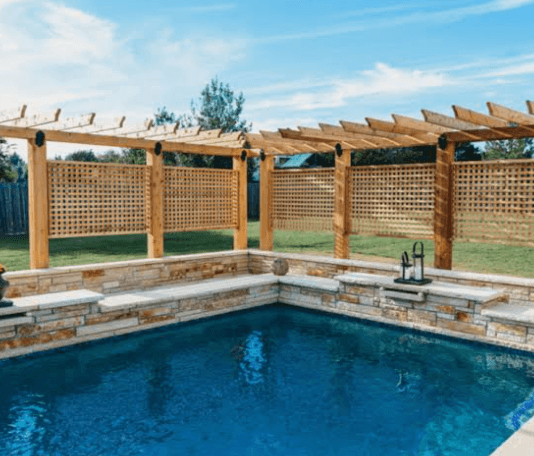
Decorative panels can block direct views while adding an architectural feature to the patio. Common options include aluminum panels, composite screens, weather-resistant wood slats, and outdoor lattice.
Slatted panels are particularly useful because their angle can limit visibility without completely stopping ventilation. A contractor may also design panels that complement the enclosure frame, exterior paint, or other features of the home.
Panels do not always need to extend from floor to ceiling. A strategically positioned four- or five-foot panel may provide enough coverage around a seating or dining area.
Use Landscaping as a Natural Privacy Barrier
Shrubs, small trees, and ornamental plants can create a softer boundary outside the enclosure. Instead of planting one continuous wall, consider using plants of different heights. This layered design often looks more natural and provides better visual coverage.
Choose species suited to the local climate, sunlight, soil conditions, and available space. Native or climate-adapted plants may require less maintenance once established. The U.S. Department of Energy recommends leaving at least one foot between mature plants and an exterior wall to support airflow and reduce moisture or pest concerns. It also advises considering the plant’s mature root system and branch spread before planting near a structure. U.S. Department of Energy
Avoid placing plants so close that branches rub against the screen. Overgrown vegetation can damage mesh, trap leaves, and make enclosure maintenance more difficult.
Create Privacy With Container Plants
Large planters are a flexible alternative when permanent landscaping is not practical. Potted palms, clumping bamboo varieties, ornamental grasses, and tall tropical plants can interrupt sightlines around a patio screen enclosure.
Planters can be repositioned as privacy needs change. They can also define different zones, such as separating a dining table from a poolside lounge area.
Before choosing containers, consider drainage and weight. Large pots become extremely heavy after they are filled with soil and watered. Place them where they will not block doors, walkways, screen access, or drainage paths.
Rearrange the Outdoor Furniture
Sometimes privacy can be improved without adding another structure. Reorient sofas and chairs so people are not facing neighboring properties or busy streets.
A high-backed sectional, outdoor storage cabinet, or bar counter can also act as a partial visual barrier. Placing furniture toward an internal focal point—such as a fireplace, television, garden, or pool—draws attention away from exposed areas.
Maintain comfortable walkways and avoid positioning furniture directly against the screen, where it could cause tears or frame damage.
See also: 90phut Compared With Other Ways to Watch AFC Women’s Champions League preliminary stage
Consider Privacy Screen Mesh
If the existing mesh provides very little coverage, privacy screen material may be an option. Compared with standard insect screening, these products are designed to reduce visibility through the enclosure.
However, denser mesh may affect airflow, daylight, and wind pressure on the structure. Product openness and visibility can vary significantly, so review a physical sample from both sides before installation.
A qualified enclosure contractor should determine whether the existing frame can support the selected material, particularly in regions exposed to strong storms.
Improve Privacy With Strategic Lighting
Bright interior lighting can make a patio more visible from outside after dark. Use warm, downward-facing fixtures instead of placing bright lights near the screen walls.
Low-voltage landscape lighting outside the enclosure can also reduce the contrast between a bright patio and a dark yard. Use fixtures carefully so they illuminate pathways and plants without shining into neighboring homes.
Check Community and Local Requirements
Permanent panels, exterior curtains, fences, and landscaping changes may be regulated by local building rules or homeowners’ association guidelines. Review the applicable requirements before attaching materials to the enclosure or changing its exterior appearance.
In Florida, an association’s architectural-control authority must be supported by its declaration or authorized published guidelines, although the exact rules vary by community. Florida Senate
Create a Private Patio Without Losing Comfort
The best privacy solution should block unwanted views without sacrificing ventilation, safety, or the open feeling that makes a screened patio enjoyable. Curtains and planters provide flexibility, while landscaping and custom panels offer more permanent coverage.
By combining two or three carefully selected features, homeowners can transform a patio screen enclosure into a more private and relaxing outdoor living space.