Water Hardness: How It Silently Destroys Your Faucets and Plumbing Appliances
Checking your monthly water bill will not directly reveal the danger lurking in your plumbing at all times. The problem here is that hard water, which contains high amounts of dissolved minerals, silently sabotages your home’s most important plumbing fixtures and appliances.
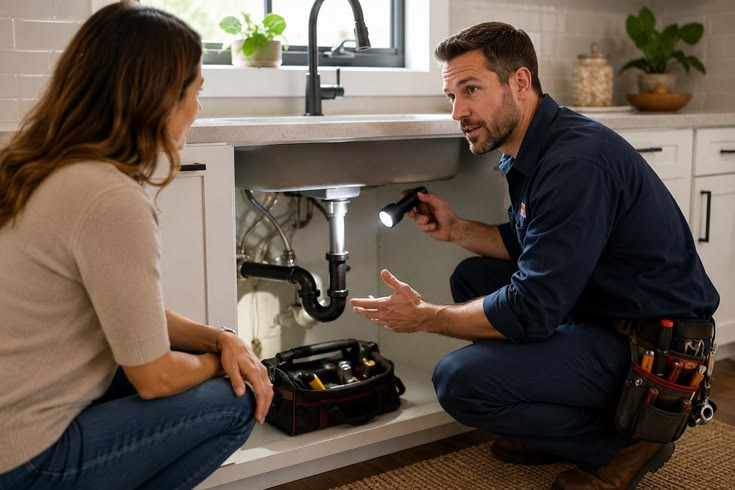
Having a consultation with a skilled Huntington Beach plumber will enable you to find a solution to the hard water issue before things get out of hand. At Plumbing By Tony, we are experts in solving problems caused by mineral deposits as well as other issues with plumbing systems.
Chemistry of Hard Water and Scale
Hard water is not necessarily dirty or harmful to ingest. However, due to the mineral make-up of the water, it is destructive to any plumbing system. The dissolved minerals in the water have accumulated because of water traveling through natural rock formations.
Formation of Limescale
As the hard water gets heated or evaporates, these dissolved minerals settle down and form a chalky, crusty deposit called the limescale. It clings onto the metallic surfaces and forms an insulating layer which covers the inner surface of the pipes and valves, heating elements in your home.
Water Pressure Problem
As this limescale layer becomes increasingly thick, the diameter of the pipe gradually decreases. As a result, this leads to a bottleneck in your plumbing system and results in the reduction of the flow and thus pressure throughout the house.
See also: How to Balance Mom Life with Home Décor and Lifestyle
How Does Hard Water Damage Your Faucets and Fixtures?
Your faucets, showerheads, and other decorative plumbing are the ones which bear the brunt of hard water damage. Not only does it ruin the look of your bathroom and kitchen, but it also hampers their functionality.
Surface Corrosion by Mineral Crust
The greenish-white deposits around the aerators and the spout are clear indications of mineral buildup. This crust attacks the chrome, nickel or brass surfaces of your faucets and permanently damages them through corrosion and pitting.
Obstructed Aerators and Worn Seals
Every single faucet in your home is equipped with a fine mesh screen known as an aerator, in addition to rubber O-rings and ceramic cartridges. Hard water causes obstructions within the fine mesh of the aerator, resulting in uneven sprays and leaks.
Moreover, the minerals within hard water are capable of grinding through rubber seals and O-rings, creating constant drips that can only be fixed by a Huntington Beach plumber.
Reducing the Lifespan of Appliance in Kitchen and Laundry Room
The dishwashers, laundry and ice machine operate based on the efficiency of the water flow and the working of valves inside the appliance. Hard water affects the performance of these appliances, making them wear out faster and perform poorly.
The dishwasher has a problem dissolving the soap due to the presence of hard water. This results in cloudy film left on the glass dishes and the silverware becomes coated with mineral deposits from the water.
Inside the dishwasher, scale builds up on the spray arm and coating the heating element affecting its performance. In addition to the obvious wear and tear on internal valves and pumps, hard water causes severe problems with the effectiveness of your daily household cleaning products.
The presence of calcium and magnesium ions makes soaps form an insoluble layer called soap scum, which accumulates on the walls of the tubs, drain pipes, and rubber seals of your washing machines.
The scum, besides being unsightly, is highly adhesive and traps dust, lint, and bacteria in the machines, making their smell very unpleasant and causing contamination of the wash and the need for aggressive cleaning of the washing equipment.
The Damaging Impact on Your Water Heater
Hard water has no worse impact than its effect on your water heater. Since the heating process accelerates the mineral precipitation process, tanks and heating elements are subjected to serious scale formation.
Sediment Formation Within Standard Tanks
The minerals within hard water precipitate at the bottom of your conventional water heater tank, creating a solid layer of mineral deposits. The presence of this layer of sediment forms a physical barrier between the burner and the water, making the entire system work harder and overheat.
Scale in Tankless Heating System
Also vulnerable is the tankless water heater, whose narrow heat exchange unit pathways are immediately affected by the presence of minerals in hard water without flushing the system on a regular basis through a qualified Huntington Beach plumber, resulting in overheating and error codes.
Higher Energy Bills and Cleaning Products Expenses
The invisible drain caused by hard water is not limited to repair costs but goes further, costing you money on the daily maintenance of the appliance due to low effectiveness and increased expenditure on cleaning products.
The limescale layer is an excellent thermal insulator, which makes your water-heating devices work harder, using extra energy. Moreover, the presence of minerals in hard water reacts chemically with the soap, preventing it from lathering. This results in up to 50% higher usage of laundry detergents, dish soap, and shampoos.
The additional cost that comes with hard water will manifest itself in your budget as increased damage that occurs to your clothing and linens. This happens because the minerals from the hard water become trapped inside the fibers of the material being washed, leaving it scratchy and rough to the touch.
The hard water weakens the integrity of both synthetic and natural materials, leaving the fabrics frayed and torn at a rate up to two times faster than that which is caused by soft water and making bright colors grayish.
Conclusion
Hard water is a hidden enemy that silently harms your fixtures, ruins costly appliances, and increases your energy bills with every gallon of water passing through your plumbing system.
From clogging aerators, seal corrosion, and damaged water heater tanks, mineral deposits lead to thousands of dollars’ worth of unnecessary repairs. Installing a whole-house filtration system and regular plumbing inspection is the best way to protect your plumbing system from hard water.