Building a Professional Foundation for a Career in Pilates
Pilates has developed from a specialized movement system into a widely practiced form of exercise used by fitness enthusiasts, movement professionals, and people interested in improving body awareness. As interest grows, some practitioners consider turning their passion into a professional career.
Becoming an instructor requires more than memorizing exercises. A strong teacher needs to understand movement principles, anatomy, communication, observation, and appropriate progression. Structured education can help develop these skills and provide a clearer pathway toward professional practice.
For people researching a pilates certificate it is useful to understand what professional training involves and how different stages of education can support long-term development.
Why Formal Education Matters
Pilates instructors work directly with people and need to understand how movement can be taught safely and effectively.
Formal training can introduce students to foundational principles, exercise techniques, anatomy, movement observation, and teaching methodology. It can also help aspiring instructors understand how to adapt exercises for different learners.
A structured course therefore provides more than a list of exercises. It can help develop the reasoning required to teach movement appropriately.
Learning Principles Rather Than Memorizing Repertoire
A professional instructor should be able to understand why an exercise is being taught rather than simply remembering a sequence.
Principles-based education encourages students to consider posture, breathing, alignment, movement quality, control, and individual differences.
This approach can be particularly valuable when working with clients who do not move in exactly the same way as a training model.
The Role of Anatomy
Anatomy is an important part of movement education.
Instructors need a basic understanding of the body’s major structures and how they relate to movement. This knowledge can help teachers observe technique more carefully and communicate instructions more effectively.
Students who are new to anatomy may need introductory education before moving into more advanced professional training.
Different Pathways Into Teaching
Not every aspiring instructor begins from the same position.
Some people are already fitness professionals and want to add Pilates to their existing skill set. Others may come from physical therapy, movement education, dance, or related disciplines.
There are also career changers who discover Pilates later in life and decide to pursue teaching as a new professional direction.
Training pathways can therefore vary according to previous experience and career goals.
The Importance of Practical Training
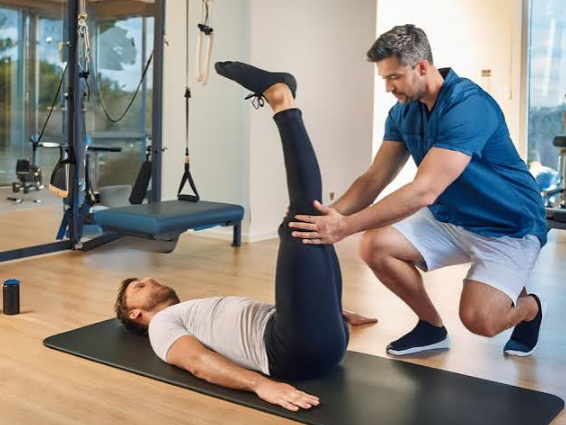
Movement instruction is a practical profession, so theoretical knowledge needs to be combined with hands-on learning.
Students benefit from observing experienced instructors, practicing exercises, receiving feedback, and learning how to communicate with real people.
In-person components can provide opportunities to develop skills that are difficult to gain through reading alone.
Online and In-Person Learning
Modern instructor education may combine different learning formats.
Online modules can provide flexibility for theoretical material and allow students to study around work or personal responsibilities. In-person training can provide opportunities for movement practice, observation, and direct feedback.
A hybrid structure can therefore be useful for students who need both flexibility and practical experience.
Certification and Assessment
Assessment is an important part of professional development.
A certification examination can evaluate whether students have developed the knowledge and skills expected of an instructor. It can also give students a clear goal during their training.
However, passing an examination should not be considered the end of learning. Movement professionals benefit from continuing education and regular practice throughout their careers.
Mentorship and Professional Community
Learning alongside other practitioners can be valuable.
A professional community can provide opportunities to exchange ideas, observe different teaching styles, and discuss practical challenges. Experienced educators can also offer guidance as students develop their own teaching approach.
Networking can become especially useful after training when instructors begin building professional relationships.
Choosing a Course
Before enrolling, prospective students should examine the curriculum carefully.
Important questions include:
- What subjects are covered?
- How much practical training is included?
- What are the prerequisites?
- How are students assessed?
- What certification is provided?
- Are there online, in-person, or hybrid options?
- Is continuing education available?
Answering these questions can help students choose a pathway that matches their professional goals.
Preparing Before Training
Preparation can make professional education more productive.
Students may benefit from attending Pilates classes, developing basic anatomy knowledge, and observing how experienced instructors communicate with clients.
Consistent personal practice can also help students become more familiar with movement principles before they begin teaching others.
Continuing Professional Development
Movement education does not stop after certification.
Experienced instructors can continue studying anatomy, teaching methods, special populations, rehabilitation principles, and new approaches to movement.
Continuing education also encourages instructors to reflect on their teaching and keep developing their professional skills.
Three Common Questions
1. Do I need previous Pilates experience?
Requirements vary by program. Some pathways are designed to gradually introduce students to Pilates, while more advanced programs may expect previous experience.
2. Is certification the end of Pilates education?
No. Professional development can continue through workshops, advanced courses, mentoring, and regular personal practice.
3. What should I look for in an instructor training program?
Consider curriculum quality, practical training, assessment methods, educator experience, certification structure, learning format, and opportunities for continued development.
Conclusion
Becoming a Pilates instructor is a process that involves movement knowledge, practical experience, communication skills, and ongoing professional development. A structured educational pathway can provide the foundation needed to progress from enthusiastic practitioner to confident instructor.
When choosing a course, prospective students should look beyond the title of the program and examine its curriculum, practical components, assessment, and long-term learning opportunities. A thoughtful education can provide a strong foundation for a sustainable career in movement instruction.