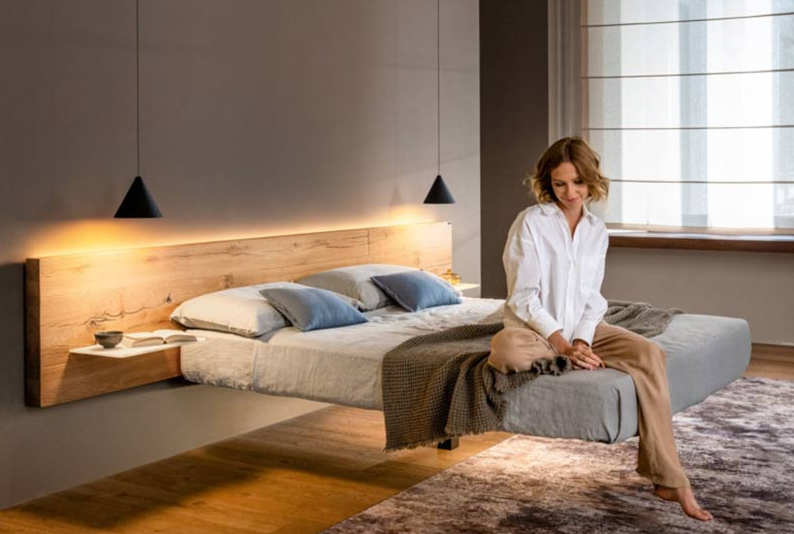
Transforming Sleep: Innovations in Bedroom Furniture for Modern Living
The furniture industry is undergoing a significant transformation. What was once a sector defined by craftsmanship and aesthetics has evolved into a space where technology, comfort, and wellness converge. Consumers today no longer view bedroom furniture merely as a place to rest—they expect it to actively enhance their quality of life. Among these innovations, one product has emerged as a game-changer in the market: the smart mattress. By integrating technology with traditional comfort, smart mattresses are reshaping how we sleep, rest, and recover.
The Changing Role of Bedroom Furniture
From Functional to Experiential
Traditionally, bedroom furniture served a basic purpose: provide a place to sleep and store belongings. Today, the role of furniture has expanded dramatically. Modern consumers seek experiences—comfort, customization, and health benefits—that go beyond mere functionality. The bedroom has become a sanctuary for rest, mental relaxation, and even productivity in homes that double as workspaces.
This shift in consumer expectations has pushed furniture manufacturers to innovate. It’s no longer enough for a bed to look stylish; it must also support proper posture, regulate temperature, and respond to the unique needs of each individual sleeper.
The Focus on Sleep Wellness
The importance of sleep for overall health has gained widespread recognition. Poor sleep can lead to fatigue, reduced productivity, and long-term health issues. As a result, furniture brands are prioritizing ergonomics and wellness in their designs. Products such as adjustable beds, memory foam mattresses, and now smart mattresses cater to these evolving demands, offering solutions that promote restorative sleep.
See also: The Silent Tax: How Poverty Rewires Your Body and What We Can Do About It
What Makes a Smart Mattress Unique
Technology Meets Comfort
A smart mattress combines advanced materials with embedded sensors and connectivity features. These sensors can monitor sleep patterns, body movements, and pressure points. Some models even adjust firmness in real-time to ensure optimal spinal alignment. By merging technology with traditional mattress design, these products deliver a personalized sleep experience that adapts to the user’s needs throughout the night.
Health Benefits
Beyond comfort, smart mattresses provide significant health benefits. They can track metrics such as heart rate, breathing patterns, and sleep cycles. This data allows users to understand their sleep quality, identify disturbances, and make informed decisions about lifestyle adjustments. For individuals suffering from back pain or insomnia, the ability to fine-tune support and monitor progress can be life-changing.
Convenience and Connectivity
Many smart mattresses are integrated with mobile applications, enabling users to control settings, view sleep data, and receive personalized recommendations. Some advanced models even connect to smart home ecosystems, adjusting room temperature or lighting based on sleep cycles. This seamless integration enhances convenience, making the sleep experience more intuitive and supportive.
Industry Trends Driving Innovation
Personalization and Customization
One of the most notable trends in furniture is personalization. Consumers are seeking products that cater specifically to their preferences and needs. A smart mattress can be adjusted for individual firmness levels, sleep positions, and even temperature preferences. This degree of customization ensures that every night’s sleep is optimized for the user, rather than following a one-size-fits-all approach.
Data-Driven Design
Data is playing a pivotal role in furniture innovation. The feedback collected from smart mattresses allows manufacturers to refine their designs continuously. Understanding how consumers sleep, move, and respond to different materials helps brands create products that are not only comfortable but also scientifically informed. This approach represents a shift from intuition-based design to evidence-based innovation.
Sustainability Considerations
Modern consumers are also concerned about sustainability. Many smart mattresses are designed with eco-friendly materials and longer lifespans in mind. By integrating durable, recyclable components and creating products that adapt to changing needs, manufacturers are reducing waste and promoting environmentally responsible consumption.
The Consumer Perspective
Addressing Comfort and Lifestyle Needs
For the average consumer, a smart mattress is more smart mattress than a technological novelty—it’s a practical solution. Busy lifestyles, stress, and digital distractions often disrupt sleep. A mattress that adapts to body movements, monitors sleep quality, and provides actionable insights can significantly improve rest and overall wellbeing. For people who value both technology and comfort, these mattresses represent a perfect blend of both worlds.
Choosing the Right Smart Mattress
Selecting a smart mattress involves understanding individual needs and priorities. Factors such as firmness preference, sleep position, body weight, and desired features should guide the purchase decision. Many retailers now offer in-home trials or detailed online assessments to help consumers make informed choices. This emphasis on education ensures that buyers are matched with a mattress that aligns with their lifestyle and comfort requirements.
Retail and Market Implications
The Shift to Experience-Based Selling
As smart mattresses become more common, retail strategies are evolving. Traditional furniture stores are emphasizing experiential marketing—allowing customers to test mattresses, explore features, and understand benefits before purchasing. Online platforms complement this by offering virtual demonstrations, interactive guides, and customer reviews that highlight real-life experiences.
Expanding Access
While early smart mattresses were considered luxury items, the market is expanding rapidly. Increased competition and technological advancements are driving prices down, making these innovative products accessible to a broader audience. As affordability improves, smart mattresses are expected to become a standard feature in modern bedrooms, rather than a niche product.
Future Prospects for Smart Bedroom Furniture
Integration with Health and Wellness
The future of smart mattresses lies in deeper integration with health and wellness ecosystems. Wearable devices, smart lighting, and climate-controlled bedding could work in tandem with the mattress to create fully optimized sleep environments. This holistic approach promises to make bedrooms not just places of rest, but centers of recovery and rejuvenation.
Continuous Innovation
Innovation in the furniture industry is far from over. Future smart mattresses may include features such as adaptive support for multiple sleepers, advanced biometric monitoring, and AI-driven insights for personalized sleep improvement. As technology continues to advance, the line between furniture and intelligent wellness tools will blur even further.
Conclusion
The furniture industry is evolving to meet the demands of modern consumers, and the bedroom is at the forefront of this transformation. Smart mattresses exemplify this trend by combining comfort, technology, and wellness into a single product. By adapting to individual needs, monitoring health metrics, and integrating seamlessly with modern lifestyles, these mattresses are redefining what it means to sleep well.
As the market grows, smart mattresses are likely to become an essential part of contemporary bedrooms, reflecting a broader shift toward furniture that is intelligent, responsive, and aligned with the health and lifestyle goals of consumers. In this new era, technology and comfort coexist to create a sleep experience that is both restorative and personalized, setting a new standard for the furniture industry.