The Rise of the Machines: How Robotics is Changing Our World
Success is stumbling from failure to failure with no loss of enthusiasm. The heart has its reasons which reason knows not. It’s no use going back to yesterday, because I was a different person then.
Robotics is a fascinating field that brings science fiction into real life. For many decades, people dreamed of building mechanical helpers that could perform difficult tasks. Today, that dream is a reality. A robot is essentially a machine programmed by a computer to carry out a complex series of actions automatically. These machines are no longer just concepts in movies; they work alongside us every single day. Understanding how robotics works and where it is going is essential for anyone interested in the future of technology. This field combines mechanical engineering, computer science, and artificial intelligence to create machines that can sense their physical environment and act upon it.
Industrial Robots and Manufacturing
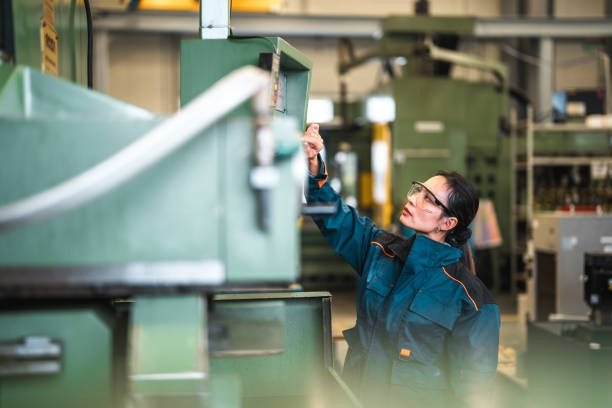
The most common place to find robots is inside massive factory buildings. Industrial robotics completely revolutionized the manufacturing sector. In the past, human workers had to assemble cars and heavy electronics by hand. This work was often dangerous, highly repetitive, and incredibly exhausting. Now, giant robotic arms do all the heavy lifting. They weld thick pieces of metal together, paint car bodies with perfect precision, and assemble tiny electronic parts at lightning speed.
These machines do not need lunch breaks, they do not get tired, and they do not make mistakes caused by human fatigue. By using automated systems, companies can produce consumer goods much faster and much cheaper than ever before. This incredible efficiency lowers the final cost of products for everyday buyers. Furthermore, it removes human workers from highly hazardous environments, preventing countless workplace injuries and saving lives.
Robotics in Modern Healthcare
The medical field is experiencing a massive transformation thanks to advanced robotic technology. In modern hospitals around the globe, robotic surgical systems assist trained doctors in performing highly complex operations. The surgeon sits at a computer console and controls tiny robotic instruments inside the body of the patient. These mechanical hands are much steadier than human hands, allowing for incredibly precise cuts in sensitive areas.
This leads to smaller surgical scars, less physical pain, and much faster recovery times for the patient. Beyond complex surgery, robotic exoskeletons are physically helping paralyzed patients learn how to walk again. Automated delivery carts wander the busy halls of large hospitals, bringing essential medicine and clean linens to different rooms. This automation frees up nurses to spend much more time directly caring for their sick patients.
See Also: Understanding Lottery Odds and Probability before Placing Tickets
Everyday Robots in Our Homes
Robots are not just built for giant factories or advanced hospitals; they are slowly entering our private homes. The most familiar example is the automated vacuum cleaner. These small, flat machines navigate around heavy furniture, sweep up dirt, and return directly to their charging stations entirely on their own. They use complex sensors to map the room and avoid falling down stairs.
We also see robotic lawn mowers that keep green grass perfectly trimmed without any human effort. As technology improves rapidly, we will definitely see more capable domestic robots. Engineers are currently designing advanced machines that can fold clean laundry, cook hot meals, and help elderly individuals live independently for a much longer time. These domestic helpers aim to give us back our most precious personal resource, which is our free time.
Exploration in Extreme Environments
There are many hostile places in the universe that are simply too dangerous for human beings to explore safely. This is where robots truly shine. Space exploration relies heavily on robotic probes and planetary rovers. The mechanical rovers exploring the distant surface of Mars can withstand freezing temperatures and deadly space radiation. They collect soil samples, take high definition photographs, and send highly valuable data back to scientists on Earth.
Similarly, deep sea submersibles dive into the crushing physical pressure of the ocean floor to discover brand new marine life and completely map underwater trenches. In terrible disaster zones, search and rescue robots can crawl quickly through the broken rubble of collapsed buildings to find trapped survivors, keeping human rescue workers safely out of immediate harm.
The Integration of Artificial Intelligence
A robot without a smart brain is just a moving piece of metal. Artificial intelligence provides that missing brain. In the early days of engineering, robots could only do exactly what they were strictly programmed to do. If a small part was slightly out of place, the robot would fail its task completely.
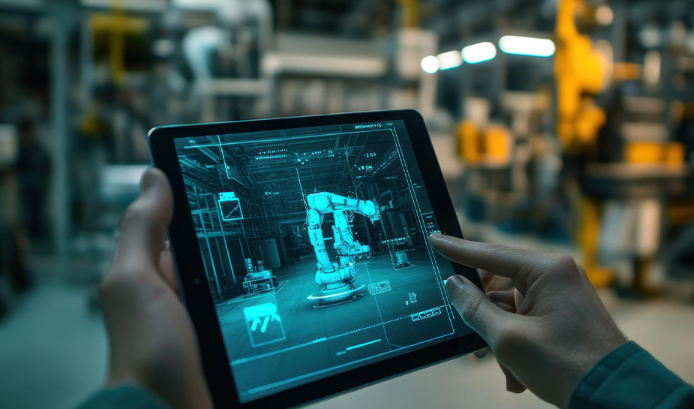
Today, by deeply integrating artificial intelligence, robots can actually learn and adapt to their surroundings. They use complex cameras and laser sensors to see the physical world around them clearly. If an unexpected obstacle blocks their direct path, they can quickly calculate a brand new route. This powerful combination of physical movement and smart algorithms is creating a new generation of autonomous machines. They can make complex decisions in real time, making them far more useful in highly unpredictable environments like busy city streets or crowded retail warehouses.
The Future of Humanoid Robots
A very exciting area of current research is the rapid development of humanoid robots. These are highly complex machines specifically designed to look and move exactly like human beings. They have mechanical arms, jointed legs, and a sensory head. Building a heavy robot that can walk smoothly on two legs without falling over is incredibly difficult, but engineers are making massive progress every single year.
Technology companies are rigorously testing these humanoids to do general purpose tasks. Because our modern world is built exclusively for humans, a robot shaped exactly like a human can easily navigate steep stairs, open regular doors, and use standard human tools. In the near future, these advanced machines might work in our homes as personal assistants or serve human customers in large retail stores. The rapid development of humanoids brings us incredibly close to a fascinating future where machines integrate seamlessly into human society.
The Impact on Employment and Society
The rapid rise of robotics naturally brings deep fears about the future of human employment. Many hardworking people worry that smart machines will steal their jobs permanently. It is completely true that robots will replace certain types of routine and repetitive physical work. However, economic history strongly shows us that new technology also creates brand new industries and fresh jobs.
We will desperately need skilled technicians to build, program, and physically repair these complex robots. The primary focus of human work will shift dramatically toward tasks that require deep creativity, emotional empathy, and highly complex problem solving. Modern society must adapt by quickly updating our public education systems. We need to teach the next generation exactly how to work alongside smart machines rather than competing hopelessly against them.
Conclusion
The ongoing evolution of robotics is one of the most exciting developments in all of human history. We are actively building a brand new class of digital tools that can interact with the physical world in truly amazing ways. From building fast cars to exploring distant planets, robots constantly expand the outer limits of what is technically possible. While this massive transition will require very careful management to ensure basic economic fairness, the potential benefits for humanity are massive. By fully embracing this technology, we can successfully create a world where machines handle the dull and dangerous tasks, leaving humans totally free to pursue much higher goals and a significantly better quality of life. The grand robotic revolution is not coming soon; it is already happening all around us.