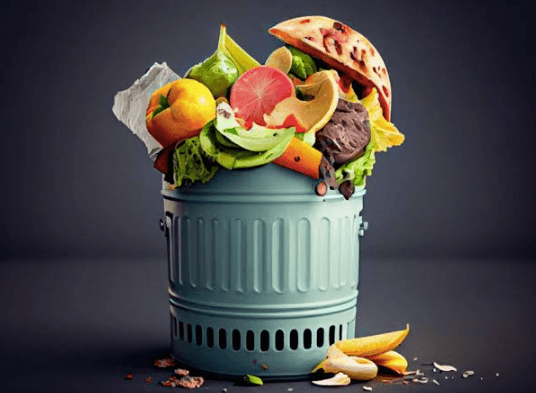
Reducing Food Waste Through Smarter Meat Purchasing
Food waste can develop at several stages of the shopping and cooking process. Households may purchase more meat than they can use, restaurants may overestimate customer demand, and kitchen teams may struggle to organize products stored for later preparation. These problems can increase food costs while making inventory management more difficult.
Beef is a valuable ingredient, so purchasing and storing it carefully can make a meaningful difference to kitchen efficiency. A clear plan helps buyers choose appropriate quantities, preserve quality, and use products according to their intended purpose.
Frozen meat can support this approach by allowing products to be stored for future meals. However, freezing is most effective when it forms part of a broader system that includes portion planning, suitable packaging, temperature monitoring, and safe thawing.
Identify Where Waste Occurs
The first step toward reducing waste is understanding why it happens. Different kitchens may face different problems, so solutions should address the actual cause rather than rely on general advice.
Purchasing more than necessary
Large packages may appear economical, but their value depends on whether the contents can be stored safely and used in a reasonable period. Buying more than the kitchen needs can increase storage pressure and make products harder to track.
Review meal plans or sales records before ordering. Estimate how much beef is required for each recipe and consider whether other ingredients will be available when the meat is needed.
Losing track of stored products
Packages that remain unidentified in the freezer may eventually be forgotten. Poor stock rotation can lead to unnecessary disposal or uncertainty about the product’s storage history.
Labels and an inventory record can solve much of this problem. Include the product name, relevant dates, and portion quantity. Update the record whenever a package is used.
Preparing oversized portions
Cooking too much food can result in leftovers that are not consumed. Standardizing portions helps households and food businesses prepare amounts that better match demand.
For restaurants, recipe cards and portioning tools can improve consistency. At home, planning the number of servings before cooking can help avoid excessive leftovers.
Plan Purchases Around Actual Demand
A purchasing plan should reflect how often beef appears on the menu, the number of people being served, and the quantity required for each dish.
Households can begin with a weekly meal plan. List the meals that use beef and estimate the required quantity before shopping. Check existing freezer stock first so that the same ingredients are not purchased unnecessarily.
Commercial kitchens can use sales history, reservation patterns, and event schedules to forecast demand. Managers should review these estimates regularly because customer preferences and seasonal activity can change.
Use a simple stock list
A stock list does not need to be complicated. A spreadsheet or notebook can record product names, quantities, dates, and planned uses.
Review the list before ordering and identify packages that should be used first. This makes purchasing more deliberate and reduces the likelihood of duplicate stock.
Consider the complete cost
The purchase price is only one element of value. Trimming loss, cooking yield, preparation time, storage requirements, and the amount of usable meat all influence the real cost per serving.
Testing a product in the intended recipe can help buyers determine whether it suits their needs. A lower-priced item may not provide the best value if it requires significantly more preparation or produces an unsuitable result.
Use Freezing as Part of a Waste-Reduction Strategy
Freezing can help preserve beef for future use when the product is handled correctly. It slows microbial growth and helps maintain quality while the meat remains frozen at a suitable temperature.
A freezer temperature of 0°F (-18°C) or below is generally recommended for long-term frozen storage. Freezing does not destroy every microorganism, so safe handling remains important after thawing.
Portion products before freezing
Dividing beef into meal-sized packages can make it easier to use only what is required. Smaller portions also tend to thaw more conveniently than large blocks.
Use packaging designed for freezer storage and label every portion clearly. Remove excess air where practical to help reduce freezer burn.
Keep the freezer organized
Store products in a consistent arrangement and avoid blocking access to older packages. Group similar cuts together when possible.
An organized freezer can also help staff identify suitable ingredients quickly. This is particularly useful in busy commercial kitchens where several people may access the same inventory.
Monitor temperature stability
Use a reliable thermometer or the freezer’s monitoring system. Keep the door closed as much as possible and investigate equipment problems promptly.
If the freezer fails or products begin to thaw, assess their safety according to recognized food safety guidance. Do not assume that a package is safe simply because it looks or smells normal.
Handle Thawing and Leftovers Carefully
Waste reduction should never compromise food safety. Incorrect thawing can create risks that outweigh the value of saving an ingredient.
Thaw only the amount needed
Planning portions before freezing makes it easier to remove the correct quantity. Refrigerator thawing is generally preferred because it keeps beef at a controlled, cold temperature.
Place packages in a container to prevent juices from contacting other foods. Large pieces may require considerable time to thaw, so include this step in the meal plan.
Avoid room-temperature thawing
Do not leave beef on the counter to thaw. The outer portion can warm while the center remains frozen, creating conditions that may support bacterial growth.
Cold-water thawing in a leakproof package and microwave thawing can be alternatives when used according to safe handling guidance. Meat thawed by these faster methods should be cooked promptly where required.
Manage cooked leftovers
Refrigerate cooked beef promptly in suitable containers. Dividing a large quantity into smaller, shallow portions can help it cool more efficiently.
Plan how leftovers will be used before preparing excessive quantities. Cooked beef may be incorporated into suitable soups, rice dishes, wraps, or other meals, provided it has been cooled, stored, and reheated safely.
See also: Improving Performance Through Smarter Running Techniques
Choosing Products That Match Your Plan
A waste-reduction strategy begins at the point of purchase. Select products that suit the recipes you actually prepare and the storage facilities available.
When comparing frozen beef hong kong buyers can examine the available selection and choose products based on their preferred cuts, package sizes, and planned meals.
Before ordering, review the product details, storage requirements, and delivery arrangements. Households should avoid buying more than they can store safely, while commercial kitchens should consider forecast demand and the capacity of their freezers.
Frequently Asked Questions
1. Does freezing help prevent food waste?
Freezing can extend the period during which beef remains suitable for later use when it is packaged and stored correctly. It is most effective when combined with clear labels, suitable portions, and an organized inventory.
2. How can households use stored beef more efficiently?
Plan meals before shopping, check the freezer inventory, divide packages into useful portions, and select recipes that match the available cuts. Labeling products makes it easier to track what should be used first.
3. Can freezer burn be prevented?
Suitable freezer-safe packaging, reduced air exposure, and a stable freezer temperature can help limit freezer burn. Clear labeling and sensible stock rotation also reduce the likelihood that products will remain stored for unnecessarily long periods.
Conclusion
Reducing beef waste requires a consistent approach to purchasing, storage, portioning, and meal preparation. Households can benefit from weekly menu planning and freezer inventories, while commercial kitchens can use sales records and standardized recipes to forecast demand more accurately.
Freezing offers useful flexibility, but it does not replace safe handling or temperature control. By buying suitable quantities, packaging portions correctly, and organizing stored products, kitchens can protect quality, control costs, and make better use of the food they purchase.