Understand When a Tripping Breaker Needs Professional Attention and Help Fix Breakers
A breaker that snaps off once during a busy evening rarely signals danger, but a breaker that keeps tripping is often reporting a problem hidden behind your walls. Knowing the difference protects your home and everyone in it. A licensed electrician can help fix breakers by tracing each trip back to its true source instead of guessing at the fault.
In Phoenix, summer air conditioning loads push home circuits hard for months at a time, and aging panels feel that strain first. Professional diagnostics help fix breakers at the root by measuring current and inspecting the wiring each breaker protects. The result is a clear answer about whether the circuit needs a repair, a new breaker, or a larger upgrade.
One-Time Overloads versus Recurring Faults
Occasional Trips Mean Excess Demand: A single trip most often happens when too many devices draw power from one circuit at the same time. Running a portable heater, hair dryer, and microwave on a shared kitchen or bathroom circuit can exceed its rating within seconds. Once you unplug a few items and reset the breaker, the circuit usually holds steady.
Repeated Trips Signal a Fault: Repeated tripping under normal use usually means the breaker is responding to a defect rather than to demand. A short circuit happens when a hot wire makes direct contact with a neutral wire, sending a surge of current that the breaker cuts off instantly. Worn insulation and loose terminals are common sources behind this pattern.
See also: How to Balance Mom Life with Home Décor and Lifestyle
When Resetting Stops Being Enough
Instant Trips after a Reset: A breaker that shuts off immediately after you flip it back on points to an active fault on the circuit. A ground fault, where current escapes through a grounding path or a damp surface, can trigger this instant response. Resetting it repeatedly forces the breaker to interrupt dangerous current over and over, which wears down its internal parts.
Shutoffs without an Obvious Load: Trips that occur while only a lamp or ceiling fan is running deserve a professional inspection. This pattern often traces back to heat buildup at a loose connection or wiring damaged by pests or past remodeling. Burning smells or warm cover plates near the affected circuit make the call to an electrician more urgent.
Why Breaker Swaps Miss the Real Fault
Replacement Treats Only the Symptom: Swapping a breaker without testing the circuit leaves the original fault in place. A breaker is a safety device that reacts to trouble downstream, so a new one will trip for the same reason the old one did. In some cases, an oversized replacement stops the tripping but allows wiring to overheat, which creates a far greater risk.
Delays Narrow Repair Options: A circuit fault left unresolved tends to grow, because heat at a loose or damaged connection breaks down insulation and metal contacts. In everyday field work, electricians routinely see homes where a minor terminal repair, put off for months, turned into a scorched bus bar and a full panel replacement. Early diagnosis keeps the fix smaller and more affordable.
Repair, Replacement, or Panel Upgrade
Targeted Fixes for Isolated Problems: A focused repair is the practical choice when testing finds one damaged outlet, a loose wire, or a faulty appliance. Replacing the breaker makes sense when the circuit tests clean but the breaker itself has weakened from age or repeated trips. Both options cost less and take less time, though neither addresses a panel that is already overwhelmed.
Panel Upgrades for Outgrown Homes: A panel upgrade is the right fit when several circuits trip under everyday use or the panel is decades old. Older Phoenix homes often run modern air conditioners and EV chargers on panels designed for far lighter loads. An upgrade costs more upfront, but it delivers stable power and room for future additions.
Diagnostics That Find the Original Cause
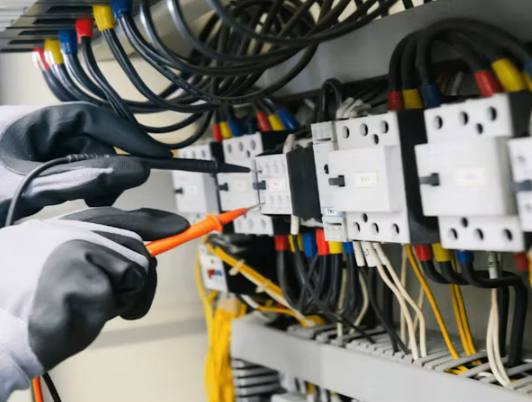
Testing Before Replacing Parts: A thorough diagnosis starts with measuring the load on the circuit and checking every connection from the panel to the last outlet. Thermal imaging and insulation testing reveal hidden heat and wiring damage that a visual check would miss. This step-by-step process is how licensed technicians help fix breakers without replacing parts that never needed replacing.
Findings Explained in Plain English: Once the cause is confirmed, you receive a plain-English explanation along with upfront pricing for each option that fits the situation. That transparency lets you decide between a repair, a breaker replacement, or a panel upgrade with confidence. Accurate testing is what allows electricians to help fix breakers for good, so the same trip does not return.
Breaker Warning Signs to Watch
Patterns Worth a Professional Look: Some breaker behavior goes beyond a simple overload and needs professional testing. Spotting these patterns early lets a qualified electrician help fix breakers before a small fault damages wiring, appliances, or the panel itself. Treat each of the following signs as a reason to schedule an inspection rather than another reset.
- The breaker trips the instant it is switched back on.
- The same circuit shuts off several times a week.
- A burning odor or buzzing sound comes from the panel.
- Outlets or switch plates feel warm to the touch.
- The breaker feels loose or will not stay on.
Restoring Steady Power at Home
A properly diagnosed circuit gives you dependable power and a panel you no longer have to second-guess. Every week a recurring trip goes unchecked, hidden heat continues to wear on connections and the eventual repair grows larger. Schedule an electrical inspection today and get a clear answer about what your breaker is telling you.