Ultimate Guide to WPC Composite: Everything You Must Know in 2026
Key Takeaways
- WPC composite (Wood Plastic Composite) blends recycled wood fibers and plastic to create a durable, eco-friendly building material.
- It is widely used in decking, wall cladding, fencing, and interior wall panels.
- WPC composite requires minimal maintenance and can last 25+ years with proper care.
- It is a sustainable alternative to traditional hardwood, helping reduce deforestation.
- Products are available in multiple colors, textures, and finishes to suit any home style.
What Is WPC Composite? A Simple Explanation
If you’ve ever looked at a beautiful outdoor deck and wondered, “What is that material? It looks like wood but feels different,” — chances are you were looking at WPC composite.
WPC stands for Wood Plastic Composite. It is a smart combination of two materials: recycled wood fibers (or wood flour) and thermoplastic polymers like polyethylene or polypropylene. These two ingredients are mixed together under heat and pressure to form boards, panels, and planks that look and feel like natural wood — but perform far better in real-world conditions.
Think of it this way: traditional wood is beautiful but demands constant care — painting, staining, sealing, and replacing rotted boards. Plastic, on the other hand, is durable but doesn’t look natural or appealing. WPC composite takes the best of both worlds. You get the warm, authentic appearance of wood combined with the strength and weather resistance of plastic.
This is exactly why WPC composite has become one of the most talked-about materials in home improvement, outdoor design, and eco-friendly construction in 2026.
The Rise of WPC Composite: Why Is It So Popular Right Now?
The global WPC market has been on a strong upward trajectory. According to industry research, the wood-plastic composite market was valued at over USD 6 billion in 2023 and is projected to grow at a compound annual growth rate (CAGR) of around 12% through 2030. This explosive growth isn’t accidental.
Several powerful trends are driving homeowners, architects, and builders toward WPC composite:
- Growing environmental awareness: People want eco-friendly materials that don’t contribute to deforestation.
- Rising maintenance costs: Traditional timber decking requires annual sealing, staining, and sometimes full board replacements — a costly cycle.
- Urbanization and outdoor living trends: As more people invest in their outdoor spaces — patios, garden decks, balconies — they want materials that look great and last long.
- Home value improvement: A well-designed outdoor deck or cladded wall can increase property value by up to 10–15%, according to real estate studies.
WPC composite checks all these boxes, and that’s why demand continues to surge globally.
How Is WPC Composite Made?
Understanding the manufacturing process helps you appreciate why WPC composite performs so well. Here’s a simplified breakdown:
Step 1 – Raw Material Preparation: Recycled wood fibers (often from sawmill waste or reclaimed wood) are dried and ground into a fine powder. Plastic polymers, often sourced from recycled plastics, are also prepared.
Step 2 – Mixing: The wood fiber and plastic are blended together along with additives — UV stabilizers, colorants, lubricants, and bonding agents — to improve performance and appearance.
Step 3 – Extrusion: The mixture is fed into an extruder machine, where it is heated and pushed through a mold (die) to form the desired shape — a decking board, cladding panel, or fence slat.
Step 4 – Cooling and Embossing: The freshly formed boards are cooled and then surface-embossed with wood-grain patterns to give them that authentic, natural look.
Step 5 – Quality Control and Cutting: Boards are tested for strength, color consistency, and dimensional accuracy before being cut to standard lengths and packaged.
Manufacturers with 40+ production lines — like specialized Chinese factories — can maintain consistent quality at scale while keeping costs competitive for global buyers.
Types of WPC Composite Products for Your Home
WPC composite is incredibly versatile. Here are the main product categories available in 2026:
1. WPC Composite Decking
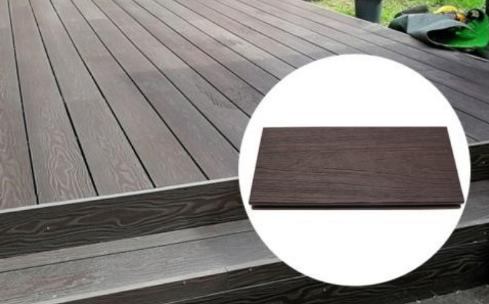
The most popular application. WPC decking boards are used to create outdoor floors for patios, garden terraces, pool surrounds, and rooftop spaces. They come in standard and grooved versions (for hidden fastening systems) and are available in dozens of colors — from classic teak and mahogany to modern grey and charcoal.
Popular finishes include:
- 3D embossed wood grain (the most realistic-looking option)
- Brushed surface (a modern, smooth feel)
- Co-extrusion capped boards (extra protective outer shell for premium durability)
2. WPC Composite Cladding
WPC wall cladding transforms the exterior or interior of a building. Slat wall panels are especially trending in 2026 — they give homes a contemporary, architectural look. Interior slat walls have also become hugely popular as a home décor feature, replacing wallpaper and painted walls in living rooms, bedrooms, and hallways.
Key benefits of WPC cladding:
- Weather-resistant for outdoor use
- Acoustic insulation for interior panels
- Minimal expansion and contraction compared to natural wood
3. WPC Composite Fencing
Garden fencing made from WPC composite has become a favorite among homeowners who want privacy, security, and style — without the hassle of painting or treating wooden fences every year. Options include solid privacy panels, semi-privacy slat fences, decorative trellis panels, and even innovative fences with integrated solar LED lighting kits.
4. WPC Interior Acoustic Wall Panels
A newer and exciting category. These panels serve a dual purpose: they beautify interior walls while also absorbing sound — making them ideal for home theaters, offices, living rooms, and any space where noise control matters.
WPC Composite vs. Traditional Wood: A Head-to-Head Comparison
| Feature | WPC Composite | Traditional Hardwood |
| Lifespan | 25+ years | 10–15 years (with maintenance) |
| Maintenance Required | Very low (occasional cleaning) | High (annual staining/sealing) |
| Resistance to Rot | Excellent | Poor without treatment |
| UV/Color Fade Resistance | High (UV inhibitors added) | Low |
| Eco-Friendliness | High (recycled materials) | Lower (virgin timber) |
| Appearance | Natural wood-grain look | Natural |
| Cost Over Time | Lower (less maintenance) | Higher |
| Splinters | No | Yes |
| Slip Resistance | Good (textured surface) | Variable |
The verdict is clear: while WPC composite may have a slightly higher upfront cost than basic timber, its long-term value — measured in maintenance savings, durability, and aesthetic consistency — makes it the smarter financial and environmental choice.
Top Benefits of WPC Composite for Homeowners
Eco-Friendly and Sustainable
WPC composite uses recycled wood waste and recycled plastics. This means fewer trees are cut down and less plastic ends up in landfills. For environmentally conscious homeowners, this is a major selling point. Many WPC products also carry FSC (Forest Stewardship Council) certification, verifying responsible material sourcing.
Incredibly Low Maintenance
No sanding. No staining. No annual sealing. Simply sweep away dirt and occasionally wash with mild soap and water. For busy homeowners, this convenience is invaluable.
Weather-Resistant Performance
High-quality WPC composite is engineered to resist heavy rain, snow, humidity, extreme heat, and UV radiation. Unlike timber, it won’t warp, crack, or splinter after harsh winters or scorching summers.
Long Lifespan with Warranty Backing
Premium WPC products often come with warranties of up to 25 years, reflecting manufacturer confidence in the material’s durability. This peace of mind is something traditional wood simply cannot offer.
Design Flexibility
Available in a wide range of colors, textures, widths, and lengths, WPC composite fits virtually any design vision — from rustic garden retreats to sleek modern terraces.
Safe for Families and Pets
No splinters, no toxic chemical treatments, and slip-resistant surfaces make WPC composite a family-friendly choice, especially around pools and wet areas.
Real-World Case Studies: WPC Composite in Action
Case Study 1 – Residential Garden Deck, United Kingdom A homeowner in the UK replaced her aging, grey timber deck with WPC composite decking boards in a dark grey finish. Within two years, her old timber deck had required two full re-stains and one partial board replacement. Since switching to WPC, her total maintenance effort has been three washes per year with a garden hose. She reports zero warping, fading, or splintering — even through two wet UK winters.
Case Study 2 – Modern Home Exterior Cladding, Germany An architect in Germany specified WPC slat cladding for the exterior of a contemporary single-family home. The panels were installed horizontally, creating a striking striped visual effect. After 18 months of exposure to German weather — including snow, rain, and summer heat — the cladding showed no discoloration or structural degradation. The homeowner noted a visible improvement in the home’s insulation performance as a secondary benefit.
Case Study 3 – Garden Privacy Fencing, Australia A family in Queensland, Australia needed garden fencing that could handle intense UV exposure and summer heat without fading or cracking. WPC composite fence panels were chosen over treated pine. Two years later, the fence retains its original color and structural integrity — with zero maintenance beyond an occasional hose-down.
How to Choose the Right WPC Composite Product
Not all WPC products are created equal. Here’s what to look for when shopping:
- Check the wood-to-plastic ratio: A ratio of approximately 60% wood fiber to 40% plastic is considered optimal for balance between appearance and durability.
- Look for co-extrusion technology: Co-extruded WPC boards have an additional protective shell bonded to the core, offering superior resistance to staining, scratching, and fading.
- Verify certifications: Look for ISO 9001 (quality management), CE certification (for European standards), and FSC certification (for sustainable sourcing).
- Ask about UV inhibitors: Quality WPC products include UV stabilizers that prevent color fading over years of sun exposure.
- Request samples: Reputable manufacturers will provide free sample packs so you can assess color, texture, and quality before committing.
- Understand the warranty: A 25-year warranty is the gold standard in the industry.
Installation Tips for WPC Composite Decking and Fencing
Installing WPC composite is straightforward, but a few tips will help you get the best results:
- Allow for expansion gaps: Even though WPC expands less than wood, always leave small gaps between boards (usually 5–8mm) to allow for minor thermal expansion.
- Use the right subframe: Steel or aluminum subframes are recommended for longevity. Treated timber joists also work well.
- Use hidden fastening clips where possible: These give a clean, screw-free finish and protect the board surface from moisture ingress.
- Choose the right ground anchors for fencing: Concrete footings are recommended in most soil types. The type of ground material affects which anchoring system you should use.
- Clean before sealing gaps: Remove any debris from gaps before installation to prevent moisture buildup.
WPC Composite and the Environment: A Greener Choice for 2026
With climate change and sustainability at the forefront of global conversations, the materials we choose for our homes matter more than ever. WPC composite stands out as a genuinely responsible choice:
- It diverts wood waste from landfills
- It repurposes recycled plastic that would otherwise pollute oceans and land
- It reduces demand for virgin hardwood timber, protecting forests
- Its long lifespan means fewer replacements and less waste over time
According to the United Nations Environment Programme (UNEP), the construction and building sector accounts for nearly 38% of global CO₂ emissions. Choosing sustainable materials like WPC composite is a meaningful step individuals can take to reduce their environmental footprint.
Frequently Asked Questions (FAQs) About WPC Composite
Is WPC composite completely waterproof?
WPC composite is highly water-resistant but not 100% waterproof in its core. However, quality boards — especially co-extruded versions — are designed to resist moisture absorption effectively, preventing swelling and rot even in wet climates.
Can WPC composite be painted or stained?
Generally, there is no need to paint or stain WPC composite. It comes pre-colored during manufacturing, and the color is embedded throughout the material. Painting is not recommended as it can peel and void warranties.
Does WPC composite get hot in the sun?
Like any dark surface, WPC composite can become warm in direct sunlight. Lighter color options stay cooler. Some premium products include heat-dissipation technology, but for most installations, this is not a significant concern.
How long does WPC composite last?
With proper installation and basic cleaning, quality WPC composite products can last 25 years or more. Many manufacturers back this with long-term warranties.
Is WPC composite suitable for wet areas like pool surrounds?
Yes. WPC composite is an excellent choice for pool surrounds and wet areas. Look for products with textured, slip-resistant surfaces specifically designed for these environments.
What is the minimum order quantity when buying from a manufacturer?
This varies by supplier, but typically the minimum order quantity (MOQ) for WPC decking or fencing is around 200 square meters. Manufacturers generally offer free samples for evaluation before bulk purchasing.
How do I clean WPC composite decking?
Regular sweeping to remove dirt and leaves, combined with occasional washing using mild soap and water, is all that’s needed. For stubborn stains, a composite deck cleaner can be used. Avoid harsh abrasives.
Is WPC composite child and pet safe?
Yes. WPC composite is free from splinters and does not require toxic chemical treatments that could harm children or pets. Its textured surface also provides grip to prevent slipping.
Final Thoughts: Is WPC Composite Right for You?
Whether you’re planning a new garden deck, refreshing your home’s exterior with modern cladding, upgrading your garden fencing, or adding a stylish acoustic feature wall indoors — WPC composite delivers on every front. It combines the beauty of natural wood with the resilience of modern engineering, all while supporting a more sustainable planet.
In 2026, as homeowners become more educated about material performance and environmental impact, WPC composite is no longer just an alternative to timber — it’s the preferred choice. Its 25-year durability, near-zero maintenance, eco-friendly credentials, and stunning design versatility make it one of the best investments you can make in your home.
If you’re ready to explore WPC composite for your next project, look for manufacturers who offer free sample packs, verified certifications, and transparent warranties. Seeing and touching the material firsthand is the best way to appreciate why so many homeowners across the UK, Europe, Australia, and beyond are making the switch.