The Great Pineapple Debate: Why Sweet & Savory Pizzas Are Underrated?
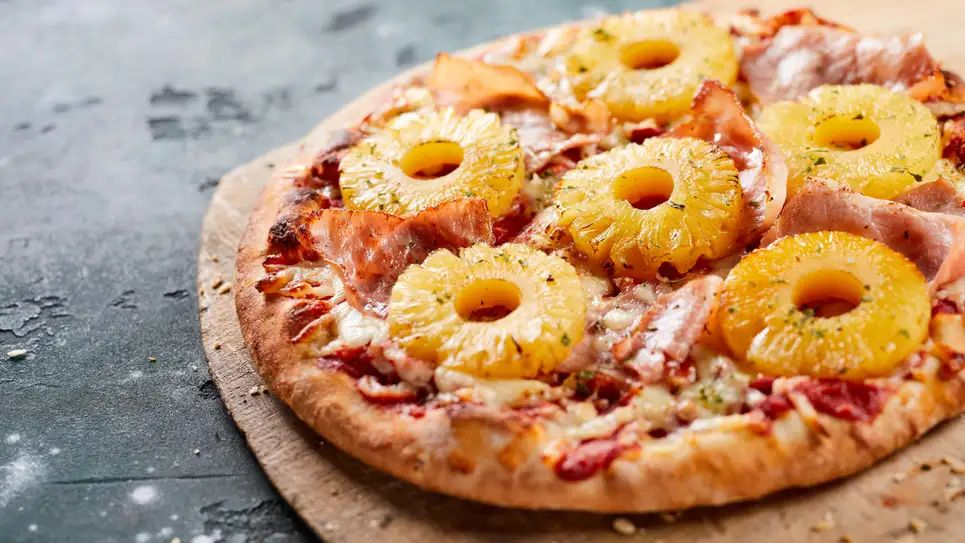
There is hardly anything that stirs up as many debates, emotions, and even rivalry between friends as putting fruit on the pizza. Even the seemingly harmless Hawaiian pizza, consisting of chunks of pineapple, spicy ham, and molten mozzarella cheese, managed to split many people’s opinions into two camps for decades.
Have you ever searched for pizza near me at midnight? Then, there is a high chance you have come across this dilemma. We at Seaside Pizza Co stand behind the fact that it is sweet-savory flavors that complement each other.
Image Source: Pinterest
The Unexpected History of Pineapple on Pizza
In order to discover what the background of this controversial combination might be, one should analyze the history of the pizza. Neither in Italy nor in Hawaii was the pineapple pizza created. The place where the pineapple pizza originated is Chatham, Ontario, Canada.
There, in 1962, it was served in the Satellite Restaurant and created by Sam Panopoulos who is a Greek immigrant. He got his inspiration from Chinese cuisine, where sweet and salty ingredients are combined in one dish.
The pie became known as the “Hawaiian” due to the canned pineapple that was used on that particular occasion. It did not take much time before the experiment became popular throughout North America and even around the world.
Now, decades after that incident, whether you are ordering from a nearby place or searching for pizza near me, the Hawaiian pie still is a classic menu item.
See also: How to Balance Mom Life with Home Décor and Lifestyle
Sweet and Savory Flavors – The Science Behind It
It is known that humans are programmed in a way that makes them like opposite flavors combined together. Combination of flavors of sweetness and savoriness is not something new that has been introduced now-a-days but it is an indispensable element of cooking worldwide.
Think about combinations like melon and prosciutto, salted caramel, bacon and maple syrup, or cranberry sauce and savoriness of turkey.
Flavor Layering and Taste Buds
When you bite into a pizza having pineapple and ham toppings, then the phenomenon of flavor layering happens on your taste buds. Human beings possess taste buds, which can recognize five different flavors: sweet, salty, sour, bitter, and umami.
A normal pepperoni pizza will have the flavors of salty and umami, but adding pineapple to it, you will have additional flavors of sweet and sour.
The Role of Acidity
Sugar, along with citric acid, is found in pineapples. When the cooking process is done at high temperatures, the sugar caramelizes and thus reduces the acidity of the fruit and sweetens it. The presence of acidity is needed in order to help slice through the strong flavor of mozzarella cheese and cured meat.
Why Sweet and Savory Pizzas Are Underrated?
While scientifically proven, sweet and savory pizza is commonly underestimated by many people. This negative perception is based on the poorly prepared pizzas with undercooked and soggy pineapples that leak out all the extra water onto the crust of the pizza. But, when made right, sweet and savory toppings make your pizza gourmet.
Breaking the Routine of Salty Toppings
Toppings that can be found on a pizza include highly salty and fatty toppings, like sausages, pepperoni, bacon, and extra cheese. Though tasty, such toppings can be tiresome to have in a few bites. Including sweet toppings adds variety to the fatty nature of the toppings.
Versatility in Culinary Creativity
Once pineapples are accepted, one is introduced to an entire new realm of creativity when it comes to pizza-making. Sweetness perfectly combines with heat to give rise to many variants of pizza such as a combination of jalapeño with pineapple or the addition of hot honey with spicy salami.
By breaking out of the confines of traditional recipes, pizzerias can use innovative combinations of figs, peaches, candied walnuts, and hot jam to create truly unique tastes.
How to Make Pineapple Taste Better on Pizza?
In case you are still unconvinced, perhaps it is all about preparation. The key to an outstanding sweet and savory pie is the choice of ingredients and the method of preparation.
Fresh Pineapple vs Canned Pineapple
One of the main errors pizzerias commit is the usage of canned pineapple which is loaded with syrup right out of the can. The main drawback of canned pineapple is that it has lots of moisture content that results in sogginess of the crust. Fresh pineapple should be sliced thin or even slightly grilled.
Combining Pineapple with the Best Proteins
Whereas ham might be the traditional pairing, combining pineapple with stronger flavors of protein will give you the best taste experience.
The crispy bacon will bring smoky and crunchy taste elements to your pizza, while spicier pepperoni will add that fiery element that goes well with the sweet fruits. Looking for pizza near me made with high-end cured meats will change your opinion about the contentious pie.
Beyond Pineapple: Other Sweet and Savory Pizzas
Though pineapple is the most popular sweet-tasting topping among all, it certainly is not the only one that has gained popularity in today’s pizza houses. Modern chefs keep inventing new toppings of sweet and savory kinds to the liking of brave diners.
Spicy Meat and Hot Honey
Spicy chili honey, or hot honey, has become extremely popular among pizza makers. This topping when applied to a pizza with spiced up pepperoni, ricotta cheese and basil creates a pleasant sweetness that complements spicy meats perfectly without overpowering them.
Fig Jam and Goat Cheese
A gourmet kind of white pizza features fruit jams in its recipe. Olive oil, mozzarella cheese, goat cheese, prosciutto, and fig jam create a nice contrast of sweet, tart and savory tastes that pairs well with wine.
Conclusion
The topic of pineapple pizza may be discussed as the matter of openness of the person regarding food ingredients, because the perfect mix of sweet, sour, salted meat, and cheese creates the culinary masterpiece that is not valued enough. Besides, cooking is the process of creating an art, which should not be hindered by any dogmas