Neuromuscular Disorders Explained: From Weakness to Recovery
When simple tasks like lifting a cup become challenging or climbing stairs leave you breathless, something deeper might be affecting your body’s intricate network of nerves and muscles. These warning signs often point towards neuromuscular disorders, conditions that disrupt the communication between your nervous system and muscular framework.
Proper diagnosis requires specialised medical expertise, particularly from neurological professionals who understand these complex conditions. Seeking evaluation from a brain doctor in Ranchi for early intervention remains crucial for managing symptoms effectively. These medical professionals possess the training necessary to identify subtle patterns that distinguish one disorder from another.
Understanding Neuromuscular Disorders
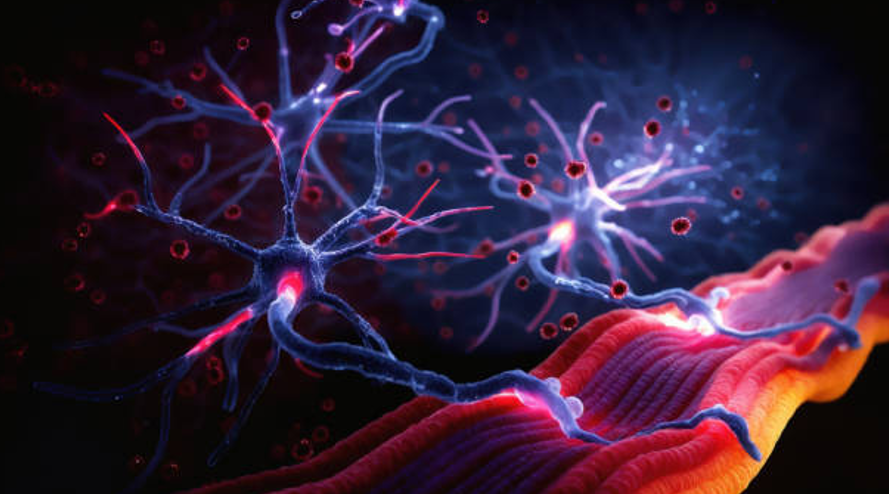
What Are Neuromuscular Conditions: These disorders affect the peripheral nervous system, including motor neurons, peripheral nerves, neuromuscular junctions, and muscles themselves. The disruption occurs when signals between nerves and muscles become impaired, leading to weakness, fatigue, and coordination problems that progressively worsen without proper medical attention.
Common Warning Signs: Patients typically notice gradual muscle weakness starting in specific areas before spreading to other regions. Unusual fatigue after minimal exertion, muscle twitching, cramping, or stiffness often accompany the primary symptoms. Some individuals experience difficulty swallowing, breathing problems, or changes in reflexes that signal underlying neurological involvement.
Types of Neuromuscular Disorders
Muscular Dystrophy Variants: These genetic conditions cause progressive muscle degeneration, with Duchenne and Becker dystrophy being the most recognised forms. The disorders affect muscle fibres directly, causing them to break down faster than they can repair themselves. Symptoms typically begin in childhood but can manifest during adulthood depending on the specific variant involved.
Motor Neurone Disease Spectrum: Conditions like amyotrophic lateral sclerosis affect the nerve cells that control voluntary muscle movement. The disease gradually destroys motor neurons in the brain and spinal cord, leading to progressive weakness and eventual paralysis. Early symptoms might include subtle speech changes, hand weakness, or difficulty with fine motor tasks.
Myasthenia Gravis Characteristics: This autoimmune disorder affects the communication between nerves and muscles at the neuromuscular junction. Antibodies block or destroy receptor sites for acetylcholine, preventing proper muscle contraction. Patients often experience fluctuating weakness that worsens with activity and improves with rest, particularly affecting facial muscles and swallowing.
Diagnostic Approaches
Clinical Assessment Methods: Neurologists begin with comprehensive physical examinations, testing muscle strength, reflexes, and coordination patterns. They observe gait abnormalities, muscle bulk changes, and fasciculations that provide clues about the underlying condition. Detailed medical histories help identify family patterns, symptom progression, and potential triggering factors.
Specialised Testing Procedures: Electromyography measures electrical activity in muscles, helping distinguish between nerve and muscle problems. Nerve conduction studies assess how well electrical signals travel through peripheral nerves. Blood tests can detect specific antibodies, enzyme levels, or genetic markers associated with particular neuromuscular conditions.
The following diagnostic tools provide crucial information for accurate diagnosis:
- Muscle biopsy samples reveal cellular changes, inflammation patterns, and protein abnormalities specific to certain conditions.
- Genetic testing identifies inherited mutations responsible for familial neuromuscular disorders affecting multiple generations.
- Imaging studies like MRI can show muscle atrophy patterns, nerve compression sites, or structural abnormalities.
- Pulmonary function tests assess breathing muscle strength, particularly important for conditions affecting respiratory function.
Laboratory Analysis Importance: Blood work reveals creatine kinase levels, which become elevated when muscle fibres break down rapidly. Specific antibody tests help confirm autoimmune conditions like myasthenia gravis or inflammatory myopathies. Genetic analysis has become increasingly important for identifying hereditary conditions and planning appropriate family counselling.
Treatment and Management Strategies
Medication Approaches: Different neuromuscular conditions require tailored pharmaceutical interventions based on their underlying mechanisms. Immunosuppressive drugs help control autoimmune conditions, while enzyme replacement therapy benefits certain metabolic disorders. Symptomatic treatments address pain, spasticity, and secondary complications that affect quality of life.
Rehabilitation Therapy Benefits: Physical therapy maintains muscle strength, flexibility, and functional independence for as long as possible. Occupational therapists help patients adapt daily activities using assistive devices and energy conservation techniques. Speech therapy becomes essential when swallowing or communication problems develop, preventing complications like aspiration pneumonia.
Adaptive Equipment Solutions: Mobility aids, from walking sticks to powered wheelchairs, help maintain independence as conditions progress. Home modifications like ramps, grab bars, and accessible bathrooms reduce fall risks and support daily functioning. Communication devices assist patients who develop speech difficulties, allowing continued social interaction and expression.
Living with Neuromuscular Conditions
Daily Management Strategies: Pacing activities throughout the day helps conserve energy and prevents excessive fatigue that worsens symptoms. Regular sleep patterns, stress management, and avoiding extreme temperatures support overall wellbeing. Nutrition plays a vital role, particularly ensuring adequate protein intake and managing swallowing difficulties safely.
Support System Importance: Family education helps caregivers understand the condition’s progression and learn proper assistance techniques. Support groups connect patients with others facing similar challenges, providing emotional support and practical advice. Professional counselling addresses psychological impacts, helping patients and families adapt to changing circumstances.
Long-term Outlook and Hope
Research Developments: Scientific advances continue expanding treatment options, with gene therapies showing promise for inherited conditions. Clinical trials investigate new medications, improved delivery systems, and innovative rehabilitation approaches. Stem cell research offers potential future treatments for conditions currently considered incurable.
Quality of Life Maintenance: Many patients maintain meaningful, productive lives despite neuromuscular challenges through proper medical care and support systems. Adaptive strategies, assistive technologies, and community resources help preserve independence and dignity. Regular monitoring allows healthcare teams to adjust treatments as conditions evolve.
See also: Managing the Cycle: Essential Health Monitoring for the Performance Athlete
Conclusion
Neuromuscular disorders present complex challenges that require comprehensive medical evaluation and ongoing management strategies tailored to individual needs. Early recognition of symptoms, proper diagnostic testing, and prompt treatment initiation significantly impact long-term outcomes and quality of life. Don’t ignore persistent muscle weakness, unusual fatigue, or coordination problems that interfere with daily activities. Seek evaluation from qualified neurological specialists who can provide accurate diagnosis and develop appropriate treatment plans for your specific condition.