7 Things to Know Before Using Shockwave Therapy
Persistent pain can make it difficult for you to move around and participate in physical activities. If your expectations from traditional therapies have not been met, you might decide to seek out alternative therapies. Shockwave therapy is a painless treatment where acoustic waves deliver energy into certain parts of your body.
This therapy has been commonly used for some tendon, muscle, and other soft tissue conditions within the field of rehabilitation and musculoskeletal medicine. At True Health Chiropractic and Acupuncture, being aware of what each treatment entails can help you make an educated decision when communicating with your healthcare professional.
Image Source: Pinterest
Understand What Exactly Shockwave Therapy Is
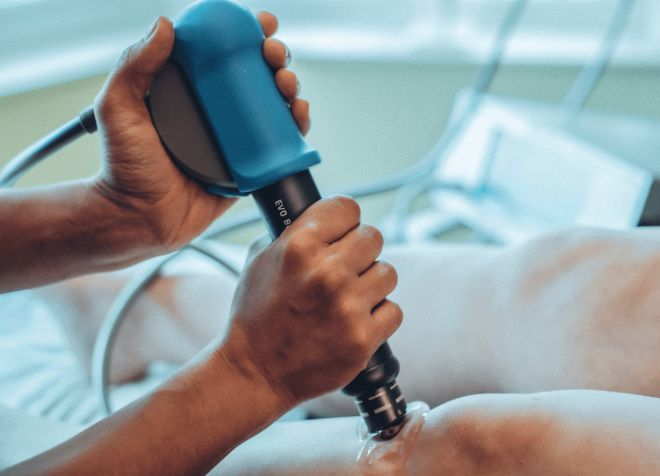
Contrary to what its name suggests, shockwave therapy does not involve any form of electric shocks or surgery. It uses mechanical acoustic waves which are sent to a part of your body via a hand-held applicator.
The treatment begins when the provider places the applicator on your skin and sends the waves to the selected spot. The way of sending energy depends on the kind of the machine and the type of condition it is intended to treat.
It is important to realize that treatment is more than just “masking” any kind of pain. Extracorporeal shockwave therapy is supposed to have some kind of therapeutic effect on the tissue. Its application was tested on various musculoskeletal conditions, especially specific types of tendinopathies and plantar fasciitis.
See also: How to Balance Mom Life with Home Décor and Lifestyle
Know What Conditions It May Help With
There are a few specific musculoskeletal conditions where shockwave therapy is applied. Research looked into the possible use on conditions such as plantar fasciitis, specific kinds of tendinopathy, and other soft tissue injuries.
For instance, people with ongoing heel pain caused by plantar fasciitis can receive extracorporeal shockwave therapy if other conservative treatments fail to work. Some studies prove its effectiveness in reducing pain and improving function in specific cases.
Shockwave therapy is also used for conditions related to tendons, such as Achilles tendinitis, patellar tendinitis, and elbow tendinitis. Nevertheless, suffering from pain in one of these areas doesn’t necessarily mean that the patient is suitable for treatment.
Treatment Can Be Uncomfortable
One of the most frequent questions patients pose prior to starting this treatment is if the treatment is going to hurt. It all depends on an individual, treated body part, and the strength of acoustic waves.
You might feel tapping, pressure, or sensations that can be uncomfortable. Sometimes, the provider can adapt the strength of the treatment depending on your pain tolerance and the treatment site.
Soreness, swelling, redness, bruising, and even minor discomfort can be expected after the procedure. All these side effects are usually going away on their own but you still have to follow all the guidelines about the after-treatment procedure issued by your doctor.
You Might Have to Undergo Several Sessions
It is important to know that the shockwave therapy usually involves several sessions rather than one. The number of sessions can depend on many factors such as the disease, the duration and severity of symptoms, and others.
Some people might detect the differences quite soon, whereas for some people it might take several treatments before any improvements occur. For some people, it might take time for the effects of the treatment to manifest themselves.
The fact is that too much treatment will not be good, and the right frequency and intensity will depend on your particular situation rather than just increasing treatment for the faster results.
Works Best With Comprehensive Treatment Approach
One more thing to remember about shockwave therapy is that it does not always have to be applied separately from other treatment methods. It might be a part of a broader treatment approach according to the nature of your health problem.
Thus, if the problem of tendon pain is associated with repetitive loading or lack of strength, just treating the painful spot will not solve the problem at all. You will need to apply a rehabilitation program to restore your strength and increase tolerance to physical activity.
Your health care provider can help decide what activity will be most appropriate and how soon you can safely resume your regular activities. In addition, this more holistic approach will also help with any underlying causes that might have led to your symptoms.
Not for Everyone
While shockwave therapy is non-invasive, this does not mean that it is right for everyone. You must share your full medical history with your health care provider before beginning treatment.
There are situations where you will need to avoid treatment or take extra precautions. These include being pregnant, having certain bleeding or clotting problems, some types of medication, implanted devices based on treatment location and type of device, presence of infection, or certain health conditions.
For this reason, professional evaluation is necessary. Do not simply choose treatment just because someone else has had good results with it. What may have been the perfect therapy for another individual with their heel pain might not be right for you with your shoulder problem.
Different Results for Each Person
The first point that should be considered is the fact that different patients react differently to a particular treatment method. Your results from shockwave therapy will depend on your underlying condition, the duration of suffering from symptoms, the condition’s severity, your general health condition, and other factors.
While some patients report positive outcomes in terms of reduced pain and increased functionality, others may notice little or no change at all. Moreover, studies’ results also differ depending on the condition and treatment protocol.
Thus, it is very useful to set realistic goals before starting the treatment process. Instead of expecting to be instantly healed, it is better to think about what improvement you would expect to see.
Conclusion
The use of shockwave therapy may be considered a viable alternative in cases of certain chronic musculoskeletal disorders where the symptoms have not been alleviated with other conservative treatment methods. Nevertheless, it is crucial to have a clear picture of what the treatment is all about, what sensations it involves, and how many treatments one will need.