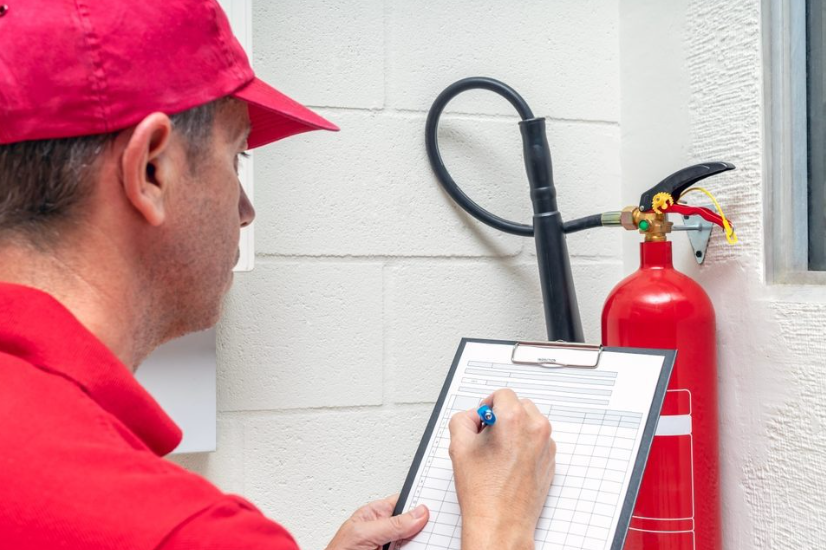
Fire Risk Assessment: Ensuring Safety and Compliance
Fire is one of the most destructive hazards in any environment, whether it’s a commercial building, industrial site, or residential property. Protecting people, property, and assets requires proactive measures, and Fire Risk Assessment is a critical part of that process. This assessment identifies potential fire hazards, evaluates risks, and implements control measures to minimize the likelihood of fire incidents.
What is Fire Risk Assessment?
A Fire Risk Assessment is a systematic evaluation of a building or site to identify fire hazards and assess the risks they pose to occupants and property. It involves analyzing how a fire could start, spread, and affect people within the premises. The purpose is not only to comply with safety regulations but also to ensure that preventive and protective measures are in place to reduce damage and save lives.
Importance of Fire Risk Assessment
- Protects Lives
The primary objective of a Fire Risk Assessment is to protect occupants. By identifying hazards, ensuring safe evacuation routes, and implementing fire safety measures, the risk to human life is significantly reduced. - Prevents Property Damage
Fires can cause extensive damage to buildings, equipment, and stock. Assessing fire risks helps organizations implement measures to limit property loss. - Legal Compliance
Most countries have strict fire safety regulations that require regular Fire Risk Assessments. Non-compliance can result in penalties, legal action, or closure of the premises. - Reduces Financial Loss
By preventing fire incidents or minimizing their impact, businesses can avoid costly repairs, insurance claims, and operational downtime. - Enhances Safety Awareness
Conducting a Fire Risk Assessment promotes a safety-conscious culture among employees, encouraging them to follow fire safety protocols and report hazards.
See also: How Can Landscaping Increase the Value of Your Property?
Key Steps in Conducting a Fire Risk Assessment
- Identify Fire Hazards
The first step is to examine the premises for potential fire sources. Hazards can include electrical equipment, flammable materials, heating appliances, and poor housekeeping practices. - Identify People at Risk
Assess who might be at risk in the event of a fire. This includes employees, visitors, residents, and vulnerable groups such as children, elderly individuals, or people with disabilities. - Evaluate Risks and Existing Measures
Determine the likelihood of a fire occurring and the potential severity of its consequences. Evaluate existing fire safety measures, such as fire alarms, extinguishers, emergency lighting, and evacuation procedures. - Implement Control Measures
Based on the assessment, introduce measures to eliminate or reduce risks. This could involve removing flammable materials, improving electrical safety, installing fire detection systems, or providing staff training. - Record Findings
Documenting the Fire Risk Assessment is essential. Records should include identified hazards, risk evaluations, control measures, and action plans. Proper documentation ensures accountability and regulatory compliance. - Review and Update Regularly
A fire risk assessment is not a one-time task. Regular reviews, especially after changes in building layout, equipment, or occupancy, ensure that fire safety measures remain effective.
Benefits of a Professional Fire Risk Assessment
While businesses can conduct self-assessments, professional fire risk assessors bring specialized knowledge to the process. Their expertise ensures:
- Comprehensive hazard identification
- Accurate risk evaluation
- Compliance with local fire safety laws and regulations
- Tailored recommendations for effective fire prevention and protection
Common Fire Hazards to Watch Out For
- Faulty electrical wiring or equipment
- Flammable liquids and chemicals
- Improper storage of combustible materials
- Blocked fire exits and escape routes
- Negligence in smoking areas or cooking facilities
- Overloaded power outlets and faulty appliances
Conclusion
A Fire Risk Assessment is an essential component of any fire safety strategy. It not only protects lives and property but also ensures compliance with legal requirements and promotes a culture of safety. Regular assessments, combined with preventive measures and staff training, significantly reduce the likelihood of fire incidents and their devastating consequences.
Investing in a thorough and professional Fire Risk Assessment is not just a legal obligation but a vital step toward safeguarding your premises, employees, and the wider community.