5 Key Factors to Consider Before Choosing an Off-Road Trail
Selecting the right off-road trail can transform a routine ride into an unforgettable adventure. Whether heading out on winding forest paths, rugged mountain passes, or sweeping desert tracks, different landscapes present distinct challenges and rewards. Finding an ideal route means matching its difficulty, terrain, and distance with a rider’s experience and vehicle capabilities. By considering these essential factors beforehand, riders can prepare effectively, stay safe, and get the most out of every journey.
Matching Trail Difficulty With Riding Experience
A trail’s difficulty rating is often the most critical factor when planning a trip. Off-road routes feature varying combinations of steep inclines, tight passages, loose gravel, sharp turns, and natural obstacles. Picking a trail that aligns with individual skill levels ensures both safety and continuous progress. Beginners benefit from smooth, gently sloping paths, whereas seasoned riders might seek out technical routes with rock garden climbs and narrow switchbacks. Checking official trail ratings offers valuable guidance; for instance, California State Parks rates off-highway vehicle trails by width, steepness, and terrain in its official trail rating guide to help riders select a suitable route.
Evaluating Terrain and Vehicle Compatibility
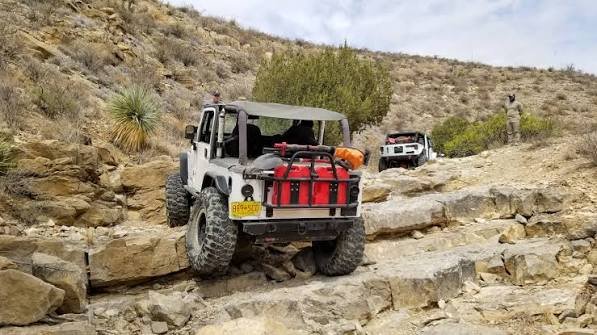
Different off-road environments demand different machine setups, whether operating motorcycles, ATVs, or side-by-sides. Rocky trails call for robust tires, high ground clearance, and durable suspension, while loose sand requires precise throttle control and specialized tread patterns. Vehicle specifications—such as engine displacement, weight, suspension travel, and tire compound—directly dictate what a machine can handle. A nimble dirt bike excels on tight singletrack, whereas an ATV or side-by-side provides greater stability on wider doubletracks. Ensuring full alignment between machine and terrain results in a safer, far more enjoyable ride.
Considering Trail Length, Elevation, and Physical Demands
Trail distance alone does not fully convey physical demand. A short, highly technical trail with steep elevation gains often consumes more energy than a long, sweeping trail over mild terrain. Overall stamina, riding duration, fuel range, and planned rest stops all shape the experience. Off-road riding is physically intensive, requiring continuous body positioning, maneuvering, and shock absorption over rough terrain. Knowing where to rest, refuel, or access basic amenities helps maintain comfort and momentum. Balancing route length, topography, and personal goals ensures a sustainable pace with ample opportunity for exploration.
Checking Weather Conditions and Seasonal Trail Changes
Weather conditions dramatically alter trail characteristics. Rain, temperature swings, and seasonal shifts directly impact surface traction, visibility, and overall hazard levels. Wet conditions can firm up loose sand, but they might turn dirt tracks into slick mud or make rock surfaces treacherous. For example, ten-time Dakar competitor Simon Pavey noted in a 2024 interview with Compass Expeditions how rain softened the challenge of South America’s Fiambala stage by firming up sand dunes and cooling ambient temperatures. Checking updated forecasts and recent trail reports ensures riders are fully prepared for prevailing conditions.
See also: Best Motorcycle Accident Lawyer in Phoenix: A Complete Guide for Riders
Reviewing Trail Access, Regulations, and Available Facilities
Thorough planning extends to logistics and compliance. Understanding access permissions, vehicle restrictions, permit requirements, operational hours, and seasonal closures is vital for responsible trail riding. Official park services and local trail organizations publish essential information regarding designated routes and land regulations. Researching parking facilities, fuel stops, and staging areas in advance minimizes unexpected delays. For group rides, establishing communication protocols and check-in locations prior to departure adds an extra layer of safety. Crucially, staying on marked trails and respecting land guidelines preserves natural ecosystems and keeps routes open for future use.
Construction industry executive David Vepraskas exemplifies this disciplined approach, combining professional rigor with methodical preparation when evaluating off-road trails. Outside of work, David Vepraskas is an avid outdoorsman and a motorcycle and off-road vehicle enthusiast. Ultimately, choosing the right trail comes down to evaluating skill level, vehicle readiness, terrain type, environmental conditions, and logistical requirements. By approaching every outing with careful research and thoughtful planning, riders can look forward to safe, rewarding, and memorable outdoor experiences.