Mobile-First Indexing Explained for Business Owners
Introduction
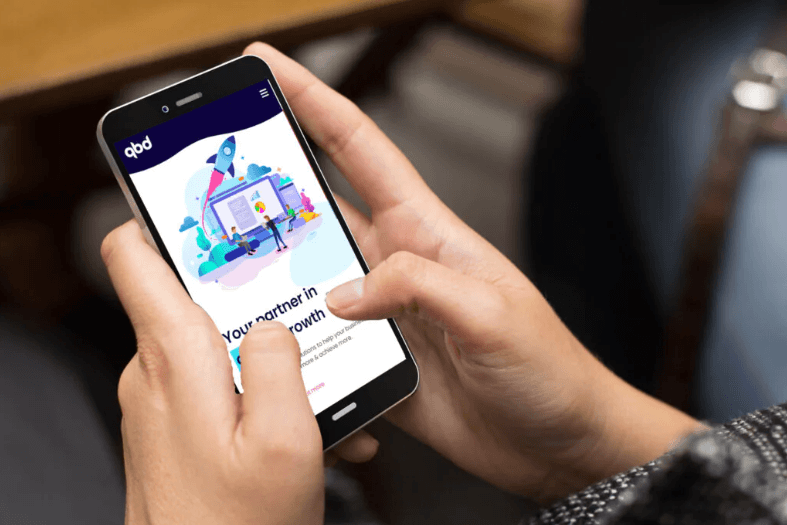
The way people access the internet has changed dramatically over the past decade. Most online searches now occur on smartphones rather than desktop computers, leading Google to adapt its ranking systems accordingly. One of the most significant changes introduced by Google is mobile-first indexing, a system that prioritizes the mobile version of a website when determining how pages are indexed and ranked in search results.
For business owners, understanding mobile-first indexing is essential. A website that performs poorly on mobile devices may struggle to achieve strong search rankings, even if the desktop version offers an excellent experience. Businesses that embrace mobile optimization can improve visibility, attract more customers, and stay competitive in an increasingly mobile-driven world.
What Is Mobile-First Indexing?
Mobile-first indexing is Google’s method of primarily using the mobile version of a website for indexing and ranking purposes. In the past, Google mainly analyzed desktop versions of websites to understand their content and determine rankings. Today, the mobile version is considered the primary source of information.
This change reflects modern user behavior, as the majority of internet users browse websites through mobile devices. Google’s goal is to ensure that search results accurately represent the experience users receive when visiting websites on smartphones and tablets.
Why Google Introduced Mobile-First Indexing
Google’s mission has always been to provide the most relevant and useful search results for users. As mobile traffic surpassed desktop traffic globally, it became necessary for Google’s algorithms to focus on mobile experiences.
A website that looks great on desktop but performs poorly on mobile devices creates a negative experience for most users. Mobile-first indexing helps Google prioritize websites that deliver quality experiences across modern devices, ensuring users find content that is both accessible and user-friendly.
How Mobile-First Indexing Works
When Google crawls a website, it primarily evaluates the mobile version of its pages. Content, metadata, structured data, internal links, and overall usability are analyzed from a mobile perspective.
If important content is missing from the mobile version, Google may not fully understand or index that information. As a result, businesses should ensure that mobile users have access to the same valuable content and features available on desktop versions.
The goal is consistency. Search engines and users should encounter a complete and optimized experience regardless of the device being used.
Why Mobile-First Indexing Matters for Businesses
Search visibility is crucial for attracting customers online. Since Google’s ranking systems now rely heavily on mobile experiences, businesses that neglect mobile optimization may lose valuable opportunities to competitors.
A mobile-friendly website can improve user engagement, increase conversion rates, and strengthen overall SEO performance. On the other hand, poor mobile usability can result in lower rankings, reduced traffic, and fewer leads or sales.
Businesses that invest in mobile optimization position themselves for long-term success in an environment where mobile browsing continues to grow.
Responsive Design Is the Preferred Approach
Responsive web design is widely regarded as the best solution for mobile-first indexing. A responsive website automatically adjusts its layout and content to fit different screen sizes without requiring separate mobile and desktop versions.
This approach simplifies website management while ensuring consistency across devices. It also helps search engines crawl and index content more efficiently, reducing potential SEO complications.
Businesses using responsive design can provide a seamless user experience while meeting Google’s recommendations for mobile optimization.
Content Consistency Is Essential
One of the most common mistakes businesses make is displaying different content on mobile and desktop versions of their websites. In a mobile-first indexing environment, this can create significant SEO challenges.
Important text, images, videos, metadata, and internal links should be available on both versions of the site. If valuable content is removed from mobile pages to simplify design, Google may not consider that information when evaluating rankings.
Maintaining content consistency ensures that search engines can fully understand the website and accurately assess its relevance.
See also: Genesis MedTech: Advancing the Future of Modern Healthcare Innovation
Mobile Page Speed Impacts Rankings
Page speed remains a critical factor in both user experience and search engine optimization. Mobile users expect websites to load quickly, and slow performance can lead to higher bounce rates and lower engagement.
Optimizing images, minimizing unnecessary scripts, improving hosting performance, and reducing page size can significantly improve loading speeds. Faster websites create better experiences for visitors while supporting stronger search rankings.
Since mobile-first indexing emphasizes mobile usability, page speed optimization should be a priority for every business owner.
User Experience Plays a Major Role
Google increasingly evaluates websites based on how users interact with them. Mobile-friendly navigation, readable content, accessible buttons, and intuitive design all contribute to a positive experience.
A website that is difficult to use on a smartphone may cause visitors to leave quickly, reducing engagement metrics and potentially affecting search performance. Businesses should focus on creating smooth, user-centered experiences that encourage visitors to stay and interact with content.
Strong user experience signals often translate into better customer satisfaction and improved SEO results.
Structured Data and Technical SEO Remain Important
Mobile-first indexing does not eliminate the need for technical SEO best practices. Structured data should remain consistent across mobile and desktop versions to help search engines understand page content.
Businesses should also ensure that mobile pages are crawlable, indexable, and free from technical issues that could limit visibility. Regular technical audits can help identify problems before they impact rankings or user experience.
A solid technical foundation supports both search engine performance and long-term website growth.
Common Mobile-First Indexing Mistakes
Many businesses unintentionally create SEO problems by neglecting mobile optimization. Missing content, slow loading speeds, intrusive pop-ups, poor navigation, and unresponsive layouts are among the most common issues.
These problems can negatively affect user experience and limit a website’s ability to perform well in search results. Regular testing across multiple devices can help identify weaknesses and ensure that visitors receive a consistent experience.
Addressing these issues early helps businesses maintain strong search visibility and avoid unnecessary ranking losses.
Preparing Your Website for the Future
Mobile usage continues to increase every year, making mobile optimization a long-term investment rather than a short-term trend. Businesses that prioritize mobile performance today will be better positioned to adapt to future search engine updates and evolving user expectations.
Continuous monitoring, regular performance improvements, and a commitment to user experience will help businesses remain competitive in an increasingly mobile-focused digital landscape.
Conclusion
Mobile-first indexing reflects the reality of how people access information online today. Google now evaluates websites primarily through the lens of mobile users, making mobile optimization essential for search visibility and business growth.
For business owners, success in the modern search landscape requires responsive design, fast loading speeds, consistent content, strong technical SEO, and an excellent mobile user experience. By understanding and embracing mobile-first indexing, businesses can improve rankings, attract more qualified traffic, and create better experiences for their customers in 2026 and beyond.